


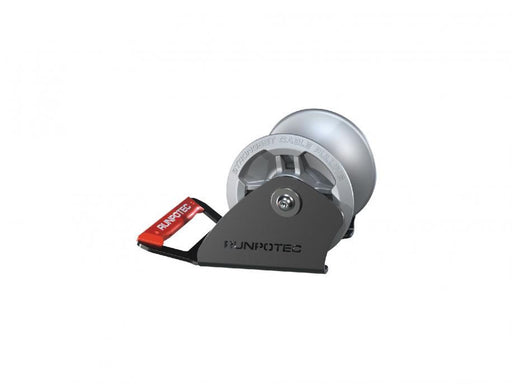
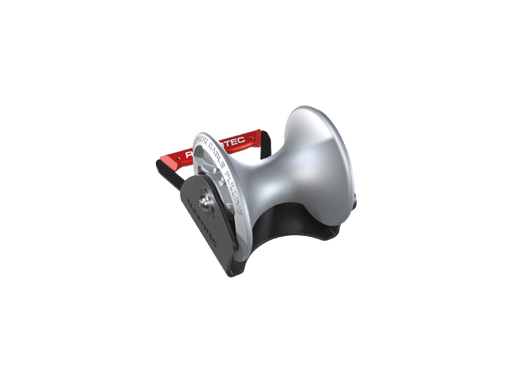
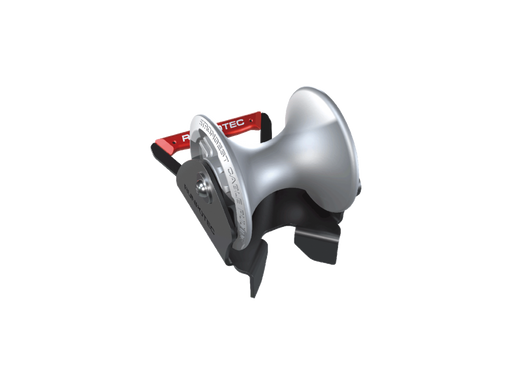
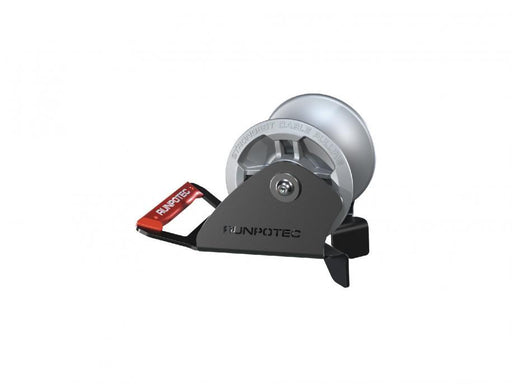


What makes Runpotec cable rollers different from standard rollers?
A Runpotec cable guide roller is built with precision engineering to deliver smoother, more controlled cable routing. Unlike standard rollers, these guide rollers are designed to direct cables safely and efficiently around edges, bends, and obstacles – minimising resistance, reducing wear, and preventing tangles. With high load-bearing capacity, durable construction, and low-friction roller systems, they ensure reliable performance whether you're guiding lightweight cables or managing heavy-duty installations.
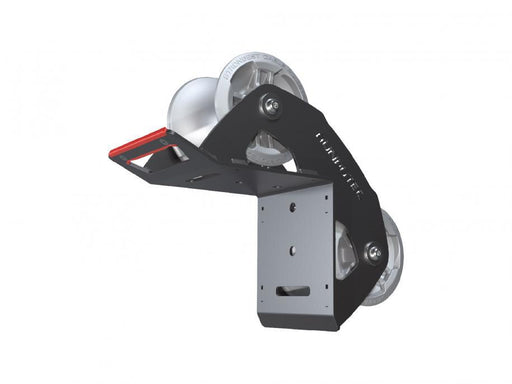
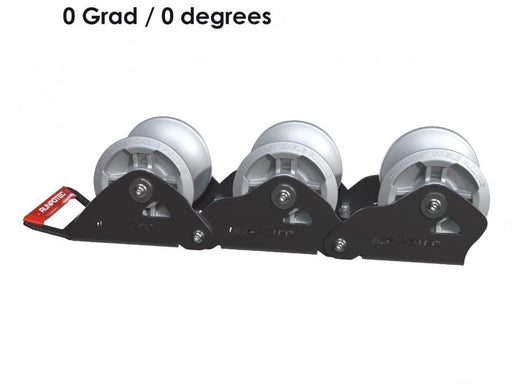
If you're working around tight bends or corners, the 90 Degrees Cable Guide Roller helps steer cables smoothly without kinks or strain. For edge-mounted applications, the Runpotec Roller – Shaft Inside Edge offers compact, stable support. And if you need maximum flexibility, the 3-Part Chain Cable Guide Roller adapts to various layouts for easy, controlled guidance.
Is there any spec to consider for a cable guide roller?
When selecting a Runpotec cable guide roller, it’s essential to choose the right model for your specific cable routing needs. Here are the key factors to consider:
- Cable type and weight – Ensure the roller is designed to support the size, weight, and flexibility of the cable you’ll be guiding.
- Application environment – Whether you’re working around corners, edges, or long runs, choose a roller configuration that suits the layout of your installation site.
- Durability – Opt for high-quality materials like reinforced frames and low-friction rollers that can withstand repeated use in demanding conditions.
- Roller configuration – From single straight rollers to 90-degree and multi-part chain systems, select the design that matches your cable routing requirements.
By reviewing these specifications, you’ll ensure smooth, safe, and efficient cable handling with your Runpotec cable roller.
What other tools pair well with a Runpotec cable roller?
A Runpotec cable roller is a game-changer on its own, but when combined with the right tools, you can take it to the next level.
For long cable runs, a cable pulling winch provides the force needed to feed cables efficiently over distance. Cable drum jacks help lift and support drums, keeping the payout steady and controlled. And don’t forget cable pulling lubricants, a must-have for reducing drag when feeding cables through ducts and conduits.
Using these tools together helps reduce manual effort, prevents cable damage, and ensures a faster, safer installation – no matter the job site conditions.